CASE NAME: Bibi Khan v. Alcon Laboratories, Inc. and Alcon Research LLC
CASE NO.: 2:26-cv-2900
JURISDICTION: United States District Court for the Eastern District of New York
FILED ON: May 14, 2026
CLASS DEFINITION: All persons in the United States, including a New York subclass, who purchased Systane Night Gel Comforting Dry Eye Relief and/or GenTeal Tears Lubricant Eye Gel during the applicable statute of limitations period.
SUMMARY:
According to the complaint, Alcon Laboratories, Inc. and Alcon Research LLC are facing a proposed class action lawsuit alleging that they falsely market certain eye care products as “sterile” despite lacking assurance of sterility. The lawsuit claims that the products—Systane Night Gel and GenTeal Tears Lubricant Eye Gel—were labeled “STERILE” on their packaging, while manufacturing deficiencies led to an FDA Class II recall due to sterility concerns. The plaintiff alleges that consumers rely heavily on sterility representations for ophthalmic products and were misled into purchasing products that posed potential health risks, including exposure to harmful bacteria or fungi.
ALLEGATIONS:
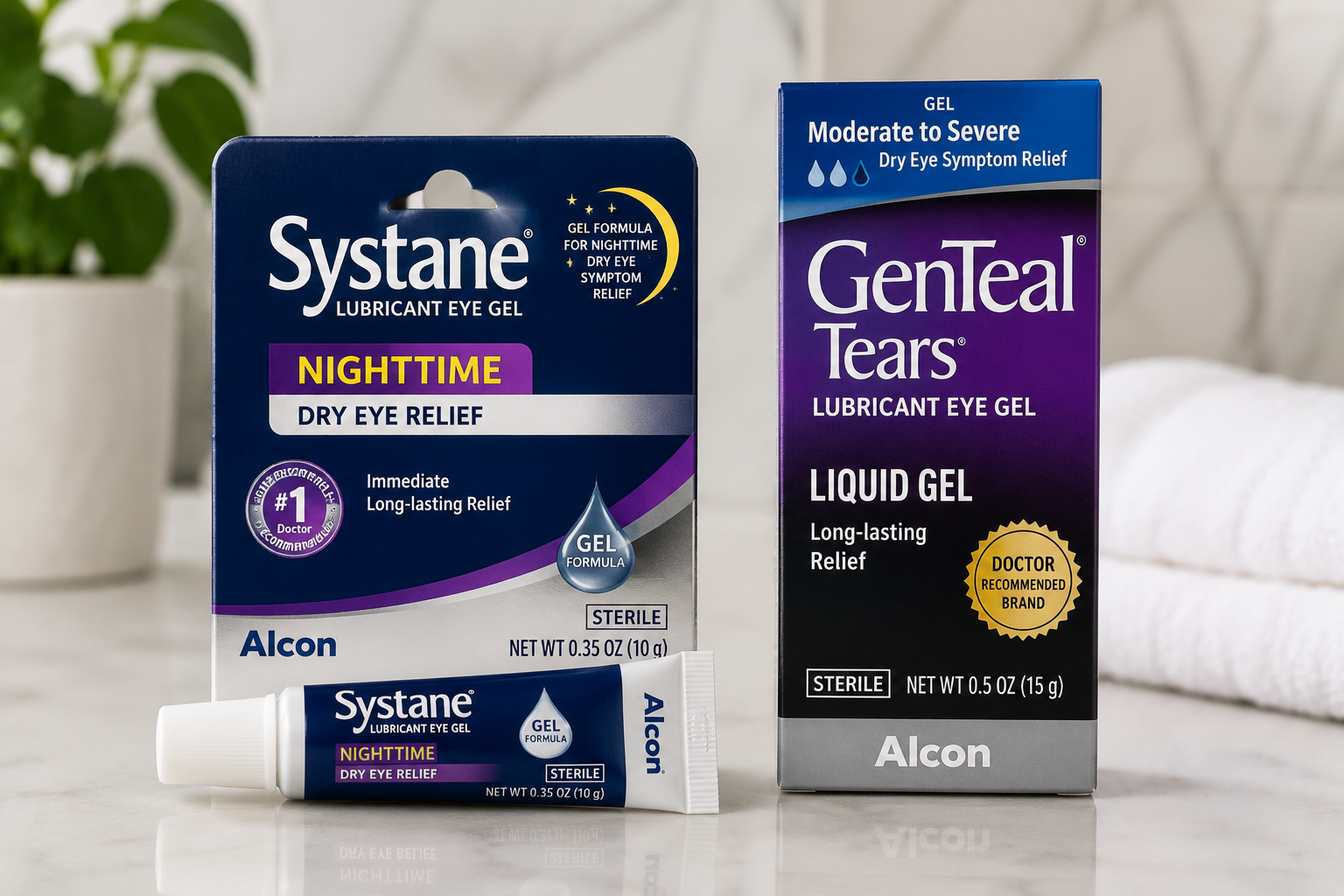
The complaint alleges that Alcon manufactures, markets, and sells over-the-counter ophthalmic products that are intended for direct application to the eye, including Systane Night Gel Comforting Dry Eye Relief and GenTeal Tears Lubricant Eye Gel. According to the lawsuit, these products were prominently labeled as “STERILE,” a representation that reasonable consumers interpret to mean the products are safe for ocular use and free from contamination.
As depicted in the product images included in the complaint (page 3), the “STERILE” label appears clearly on the packaging, reinforcing the expectation that the products meet strict safety and manufacturing standards required for eye care products.
However, the complaint alleges that the products lacked an assurance of sterility due to significant manufacturing deficiencies. According to the lawsuit, the U.S. Food and Drug Administration issued a Class II recall in April 2026 after identifying issues at the manufacturing facility responsible for producing the products. These issues included failures to comply with current good manufacturing practices and inadequate controls to ensure product sterility.
The complaint further alleges that FDA inspections of the manufacturing facility identified serious contamination risks, including the presence of mold species such as Penicillium citrinum, Fusarium oxysporum, and Aspergillus in critical production areas. According to the lawsuit, these contaminants were found in aseptic filling environments where the products are exposed during manufacturing, raising concerns about the potential for microbial contamination.
Additionally, the complaint claims that the facility exhibited repeated failures in maintaining sterile conditions, including improper aseptic techniques by workers, such as unsanitized contact near open product containers and interference with clean airflow systems. The lawsuit also alleges that the facility had unresolved equipment issues, including damaged surfaces and cracks in filling lines, which further compromised sterility.
According to the complaint, these deficiencies were not isolated incidents but part of ongoing systemic issues that were known or should have been known to the defendants. Despite this knowledge, the plaintiff alleges that Alcon continued to market the products as sterile without disclosing the lack of sterility assurance to consumers.
The lawsuit emphasizes that consumers cannot independently verify whether ophthalmic products are sterile and must rely entirely on manufacturers’ labeling. As a result, the plaintiff contends that the omission of sterility issues, combined with the affirmative “STERILE” claim, created a false and misleading impression about the safety and quality of the products.
The plaintiff further alleges that she and other class members relied on these representations when purchasing the products and would not have done so, or would have paid less, had they known the truth. The complaint claims that consumers suffered economic harm, including paying a price premium for products that were allegedly unsafe or “worthless” due to the sterility concerns.
Based on these allegations, the lawsuit asserts claims under New York General Business Law §§ 349 and 350 for deceptive practices and false advertising, as well as claims for negligence, unjust enrichment, and breach of implied warranty of merchantability. The plaintiff seeks damages, restitution, injunctive relief, and other remedies on behalf of herself and similarly situated consumers.
Tell us what you think.
Leave a Reply