CASE NAME: Debra Mills, Jesse Montano, and Eileen R. Aviles v. Conopco, Inc.
CASE NO.: 3:26-cv-04286-SK
JURISDICTION: United States District Court for the Northern District of California
FILED ON: May 8, 2026
CLASS DEFINITION: All persons in California and throughout the United States who purchased Dove Sensitive Hypoallergenic Body Wash during the applicable statute of limitations period.
SUMMARY:
According to the complaint, Conopco, Inc. is facing a proposed class action lawsuit alleging that it falsely markets its Dove Sensitive Hypoallergenic Body Wash as “hypoallergenic” despite containing fragrance ingredients, including undisclosed allergens. The lawsuit claims that consumers rely on “hypoallergenic” representations to avoid products that may trigger allergic reactions. However, independent testing allegedly identified the presence of d-Limonene, a recognized fragrance allergen, contradicting the product’s labeling. The plaintiffs contend that consumers were misled and paid a premium for a product that did not meet their expectations.
ALLEGATIONS:
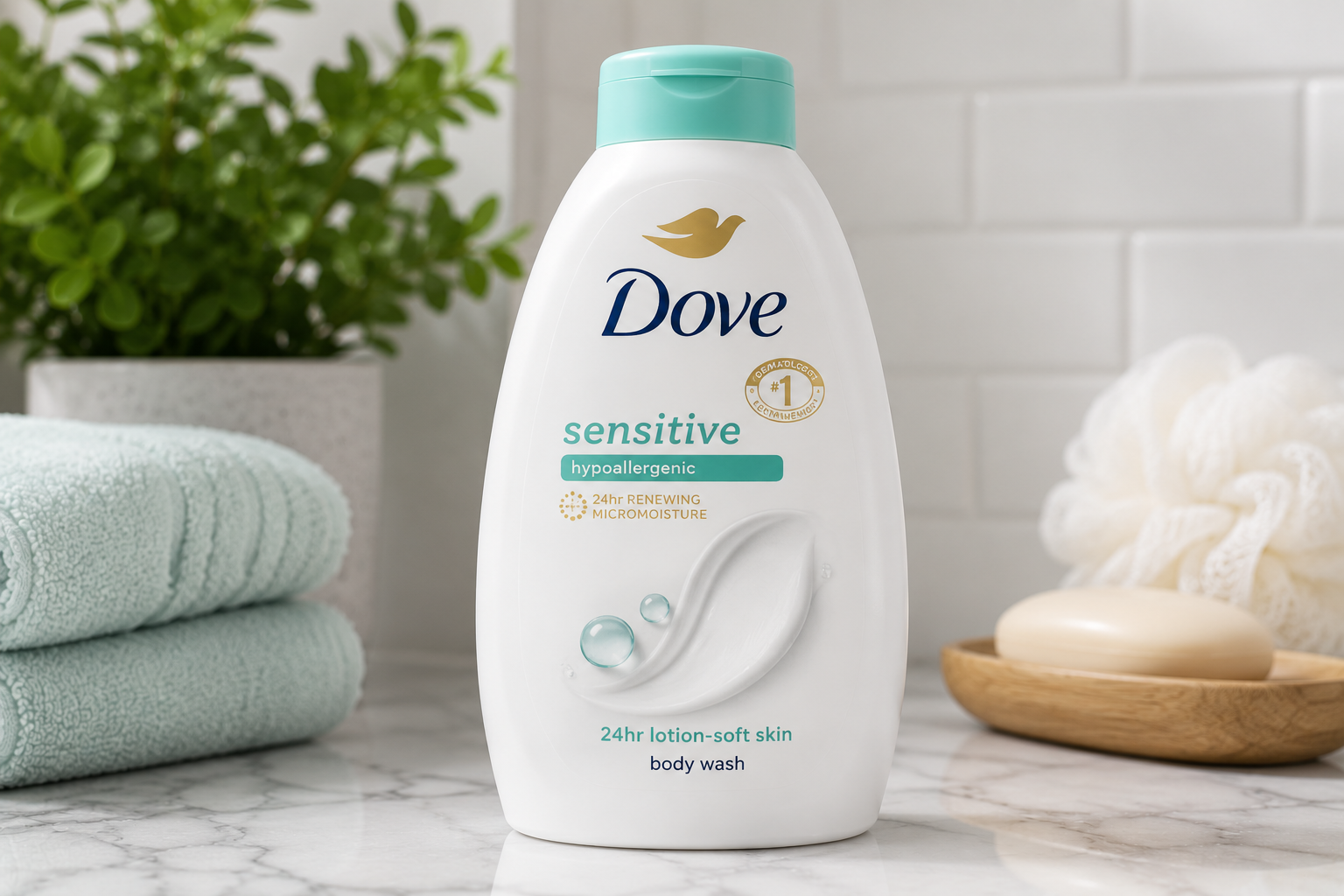
The complaint alleges that Conopco prominently labels its Dove Sensitive Body Wash as “hypoallergenic,” a term that reasonable consumers interpret to mean the product is formulated to minimize the risk of allergic reactions. According to the lawsuit, this representation is material to purchasing decisions, particularly for consumers with sensitive skin or concerns about allergens.
As shown in the product images included in the complaint (page 3), the “hypoallergenic” claim appears clearly on the front label and is repeated elsewhere on the packaging, reinforcing the message that the product is gentle and unlikely to cause irritation.
Despite this labeling, the complaint alleges that the product contains “fragrance,” which is widely recognized as a common source of allergens. According to the complaint, regulatory authorities such as the FDA and dermatological organizations identify fragrance ingredients as leading causes of allergic contact dermatitis. The issue is compounded by labeling practices that allow manufacturers to list “fragrance” generically, without disclosing its individual chemical components, leaving consumers unable to identify potential allergens.
The lawsuit further alleges that independent laboratory testing commissioned by the plaintiffs detected d-Limonene in the product. As detailed in the analytical results (page 13), this substance is one of the 26 fragrance allergens commonly associated with allergic reactions. The complaint contends that the presence of d-Limonene directly contradicts the “hypoallergenic” claim because such ingredients are known to trigger skin irritation in sensitive individuals.
According to the complaint, consumers reasonably expect that products labeled as “hypoallergenic” will not contain known allergens, particularly when those ingredients serve no functional purpose beyond providing scent. The plaintiffs argue that fragrance ingredients are included for aesthetic purposes only and are not necessary for the product’s cleansing function, making their inclusion inconsistent with the product’s marketed claims.
The complaint also alleges that consumers cannot independently verify the presence of hidden allergens and must rely on labeling representations. Because fragrance components are not individually disclosed, the plaintiffs contend that consumers are effectively prevented from making informed purchasing decisions and are instead misled by the product’s front-label claims.
Additionally, the lawsuit asserts that Conopco intentionally used the “hypoallergenic” claim to capitalize on growing consumer demand for sensitive skin products. According to the complaint, the market for hypoallergenic and gentle skincare products has expanded significantly, and such claims allow manufacturers to charge a premium price and gain a competitive advantage.
The plaintiffs allege that they relied on the “hypoallergenic” representation when purchasing the product and would not have done so, or would have paid less, had they known it contained known allergens. As a result, they claim to have suffered economic harm, including paying a price premium for a product that did not conform to its advertised qualities.
Based on these allegations, the lawsuit brings claims for breach of express warranty, violations of California’s Unfair Competition Law, False Advertising Law, and Consumers Legal Remedies Act, as well as unjust enrichment. The plaintiffs seek damages, restitution, injunctive relief, and other remedies on behalf of themselves and similarly situated consumers.
Tell us what you think.

Leave a Reply