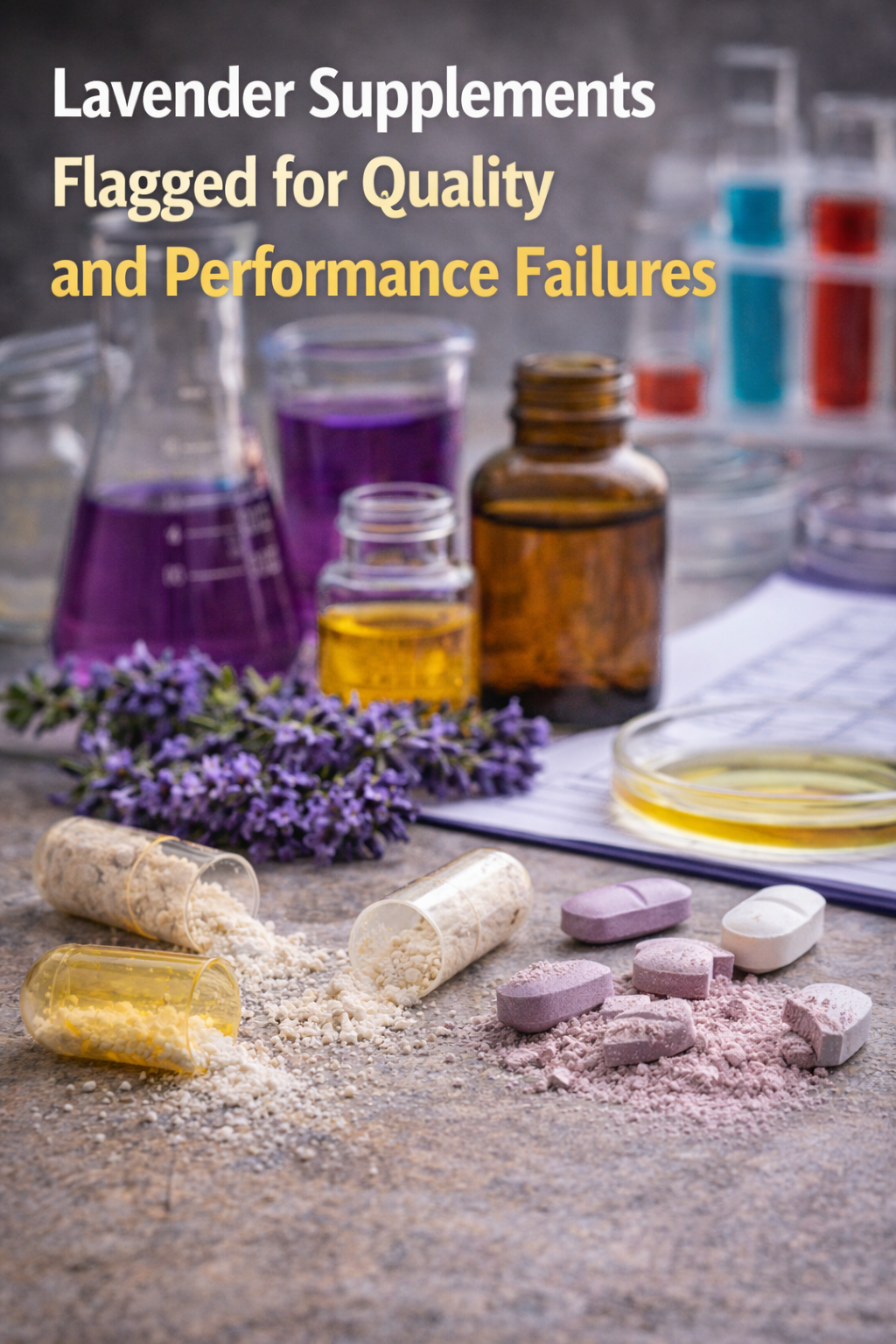
A 2025 study published in the European Journal of Pharmaceutical Sciences by Banaz Jalil and Michael Heinrich reveals troubling inconsistencies in the quality and effectiveness of lavender-based herbal products sold worldwide. The research examined 73 oral products containing Lavandula species, including capsules, tablets, and soft gels, to evaluate both their chemical composition and pharmaceutical performance. The findings highlight widespread issues that could impact both the safety and effectiveness of these popular supplements.
Lavender has long been used in traditional medicine to treat anxiety, restlessness, and sleep disorders. Today, it is widely available in both regulated herbal medicines and unregulated dietary supplements. However, the study emphasizes that not all products are created equal. Researchers found that 63% of the tested products contained either low levels or none of the key active compounds—linalool, linalyl acetate, and cineole—which are essential for lavender’s therapeutic effects.
According to the data table on page 5, only 27 out of 73 products contained adequate levels of these compounds, while 18 products had none at all. Many products were diluted with cheaper ingredients such as sunflower or rapeseed oil, sometimes in amounts that exceeded the actual lavender content. This practice reduces product potency and may mislead consumers who expect genuine therapeutic benefits.
The study also uncovered significant problems with how these products perform in the body. For oral supplements to work effectively, they must break down—or disintegrate—properly in the digestive system so their active ingredients can be absorbed. However, the researchers found that 30% of the tested products failed standard disintegration tests, meaning they may not release their ingredients effectively after consumption.
Images on page 10 show real examples of capsules and tablets that failed to break down properly, remaining partially intact even after testing. This raises concerns that some products may pass through the body without delivering their intended benefits. The study notes that poor disintegration could also lead to side effects such as stomach irritation or reduced absorption of active compounds.
The type of capsule material played a role in performance. Gelatin-based capsules generally performed better than plant-based (cellulose) capsules, which were more likely to fail disintegration tests. Additionally, the complexity of formulations—especially products containing multiple ingredients—made it harder to ensure consistent quality and performance.
Another key finding relates to adulteration and substitution. Lavender oil is a high-value ingredient, making it a target for cost-cutting practices. The study found evidence suggesting that some products may use lower-quality lavender species or even different plant oils with similar chemical profiles. For example, as shown in the chromatographic comparisons on pages 6 and 7, oils like clary sage or hyssop can mimic lavender’s chemical signature, making adulteration difficult to detect with standard testing methods.
The researchers also highlight a broader regulatory issue. Unlike pharmaceutical drugs, dietary supplements are not required to meet strict testing standards before reaching the market. This means many products are sold based on traditional use rather than proven quality or effectiveness. As a result, consumers may unknowingly purchase products that are poorly formulated, chemically inconsistent, or ineffective.
Importantly, the study points out that these quality issues can also affect scientific research. If clinical trials use poorly characterized or low-quality products, the results may be unreliable or misleading. This could lead to incorrect conclusions about the safety or effectiveness of lavender-based treatments.
Overall, this research underscores the urgent need for better quality control, stricter regulations, and improved testing standards for herbal medicinal products and dietary supplements. The authors argue that evaluating both chemical composition and pharmaceutical performance should become standard practice to ensure consumers receive safe and effective products.
For consumers and healthcare professionals alike, the takeaway is clear: not all lavender supplements deliver what they promise. Greater transparency and stronger oversight are essential to protect public health and maintain trust in herbal medicine.
Read the full study here:
Leave a Reply