
CASE NAME: Dixon v. Keurig Dr Pepper, Inc.
CASE NO.: 3:26-cv-02172-GPC-BJW
JURISDICTION: United States District Court for the Southern District of California
FILED ON: April 7, 2026
CLASS DEFINITION: All persons in the United States, including a California subclass, who purchased Keurig K-Cup pods during the applicable statute of limitations period.
SUMMARY:
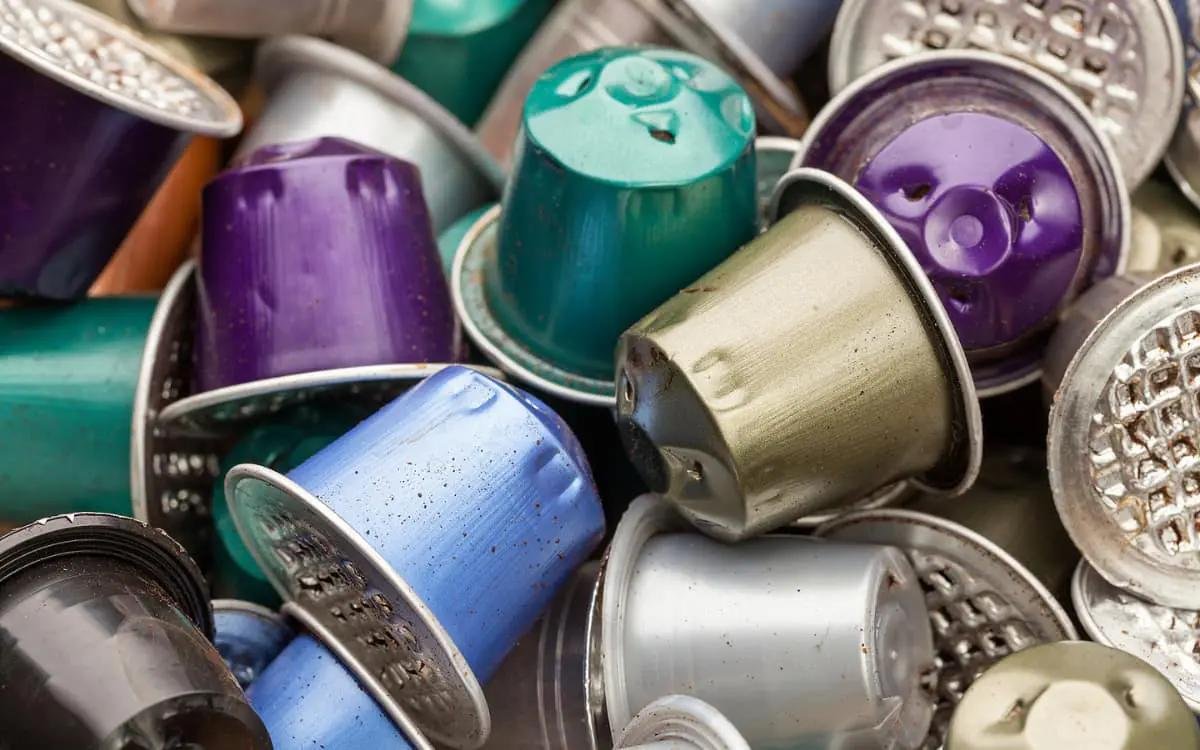
According to the complaint, Keurig Dr Pepper, Inc. is accused of misleading consumers by labeling and marketing its single-serve K-Cup coffee pods as “recyclable” when, in reality, the products allegedly are not recyclable in most real-world municipal recycling systems. The lawsuit claims that Keurig’s representations lead reasonable consumers to believe the pods can be disposed of in curbside recycling and will actually be recycled, when most facilities do not accept them due to their size, composition, and contamination issues. The plaintiff alleges that consumers paid a premium for environmentally friendly products based on these claims and were misled about the true environmental impact of the products.
ALLEGATIONS:
The lawsuit alleges that Keurig widely markets its K-Cup pods as “recyclable,” prominently displaying this claim on packaging, online listings, and advertising materials alongside recycling symbols intended to signal environmental friendliness to consumers. According to the complaint, this messaging conveys that consumers can simply place used pods into curbside recycling bins with the expectation that they will be processed and reused.
However, the complaint asserts that this representation is misleading because most recycling facilities in the United States do not accept K-Cup pods. The lawsuit alleges that the pods’ small size, lightweight structure, and multi-material design—including plastic, aluminum foil, paper filters, and residual coffee grounds—make them incompatible with standard recycling systems. As described in the complaint, these characteristics often cause the pods to fall through sorting machinery, contaminate recycling streams, or be diverted to landfill waste.
The complaint further alleges that contamination from leftover coffee grounds and liquids prevents effective recycling, as many facilities lack the capability to clean or separate the materials. It also claims that even when pods are technically made from recyclable polypropylene (#5 plastic), their design and condition after use render them impractical to recycle.
According to the lawsuit, industry research cited in the complaint found that municipal recycling programs serving at least 60 percent of U.S. consumers do not accept K-Cup pods, meaning the majority of products end up in landfills rather than being recycled. The complaint also references findings from environmental experts indicating that economic factors further discourage recycling, as processing the pods is often not cost-effective for facilities.
The plaintiff alleges that Keurig was aware of these limitations but continued to promote the pods as recyclable. The complaint cites prior regulatory and legal actions, including a settlement with the U.S. Securities and Exchange Commission and earlier class action lawsuits, suggesting that Keurig had been alerted to concerns about recyclability claims but allegedly continued similar marketing practices.
Additionally, the lawsuit claims that any disclaimers—such as instructions to “check locally” or statements that pods are not recycled in many communities—are presented in fine print and are insufficient to correct the overall misleading impression created by the prominent recyclability claims. According to the complaint, reasonable consumers interpret the term “recyclable,” especially when paired with recycling symbols, to mean that the product will actually be recycled if disposed of properly.
The plaintiff alleges that he purchased the products relying on these representations and would not have done so, or would have paid less, had he known the pods were not recyclable in practice. The lawsuit further claims that Keurig’s conduct violates consumer protection laws, including California’s Unfair Competition Law, False Advertising Law, and Consumer Legal Remedies Act, as well as common law claims such as negligent misrepresentation and unjust enrichment.
The complaint seeks damages, restitution, injunctive relief, and changes to Keurig’s labeling and marketing practices to prevent further alleged deception.

Leave a Reply