CASE NAME: Garvey v. The Campbell’s Company
CASE NO.: 3:26-cv-03097
JURISDICTION: United States District Court for the Northern District of California
FILED ON: April 10, 2026
CLASS DEFINITION: All consumers in the United States, including a California subclass, who purchased Campbell’s microwavable soup products during the applicable statute of limitations period.
SUMMARY:
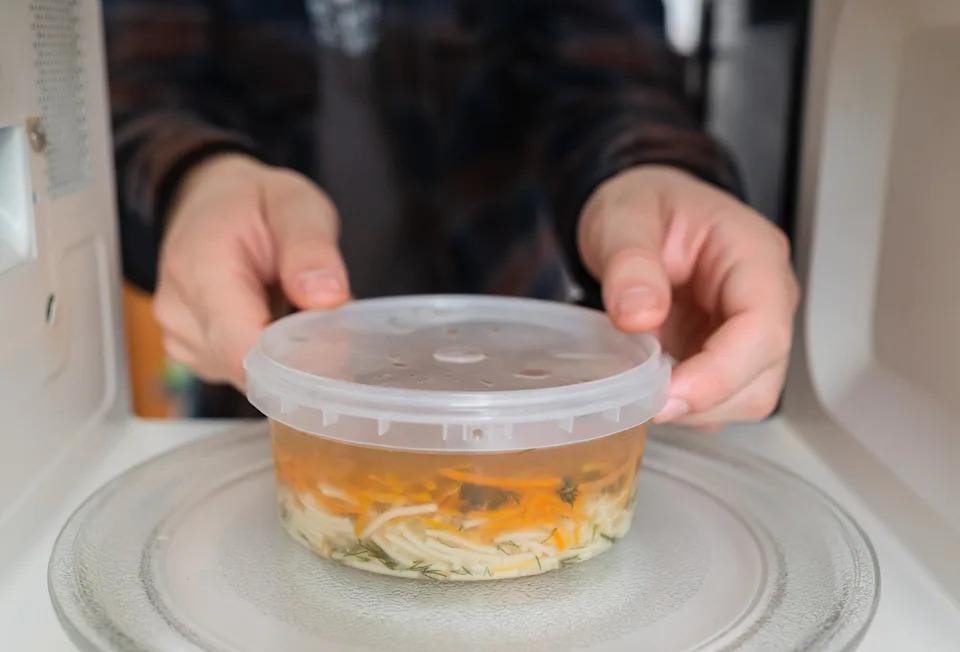
According to the complaint, The Campbell’s Company is accused of misleading consumers by labeling and marketing its microwavable soup products as safe for microwave use despite allegedly using packaging that releases harmful microplastics when heated. The lawsuit claims that the “microwavable” representation leads reasonable consumers to believe the products can be safely heated without risk, when in reality, the packaging allegedly sheds microplastics directly into the soup. The plaintiff contends that this omission of material safety risks caused consumers to unknowingly ingest potentially harmful substances and pay a premium for products they believed were safe and convenient.
ALLEGATIONS:
The lawsuit alleges that Campbell’s prominently labels a wide range of its soup products as “microwavable,” as shown in product packaging images throughout the complaint, including bowls and cups designed for direct heating. According to the complaint, this representation conveys to reasonable consumers that the products are safe to heat in a microwave as directed.
However, the complaint asserts that the products’ containers and lids are made from polypropylene plastic, which allegedly releases significant amounts of microplastics when exposed to microwave heat. The lawsuit cites scientific studies indicating that heating polypropylene packaging can release millions of microplastic and nano plastic particles into food within minutes. For example, the complaint alleges that as many as 4.22 million microplastic particles and billions of nano plastic particles can be released from a small surface area of plastic during microwave heating.
The complaint further alleges that even short heating periods can result in substantial contamination. According to the lawsuit, microwaving for as little as one minute can release over one million microplastic particles per liter, with the number increasing rapidly as heating time continues. It also claims that repeated short heating cycles may release even more particles than a single longer heating period.
In addition to the alleged presence of microplastics, the lawsuit emphasizes potential health risks associated with ingestion. The complaint cites research suggesting that microplastics may accumulate in the body and are linked to adverse health effects, including impacts on the digestive system, immune function, and reproductive health. It also references studies indicating that microplastics have been found in human organs and may contribute to long-term health concerns.
According to the complaint, Campbell’s failed to disclose these risks to consumers while continuing to market the products as safe for microwave use. The lawsuit alleges that no warnings or qualifying statements are provided on the packaging to inform consumers that heating the products as directed could result in the release of microplastics into the food.
The plaintiff alleges that she purchased a microwavable Campbell’s soup product relying on the “microwavable” label and believing it was safe for its intended use. She claims she would not have purchased the product, or would have paid less, had she known about the alleged risks associated with the packaging.
The complaint further alleges that Campbell’s was aware, or should have been aware, of the risks associated with polypropylene packaging and microplastic release based on available scientific research and industry knowledge. Despite this, the company allegedly continued to market the products as microwavable without disclosing the potential hazards, thereby misleading consumers and gaining a competitive advantage.
Based on these allegations, the lawsuit brings claims under California’s Unfair Competition Law, False Advertising Law, and Consumer Legal Remedies Act, as well as claims for breach of warranty and unjust enrichment. The plaintiff seeks damages, restitution, injunctive relief, and changes to labeling and marketing practices to prevent further alleged deception.

Leave a Reply