
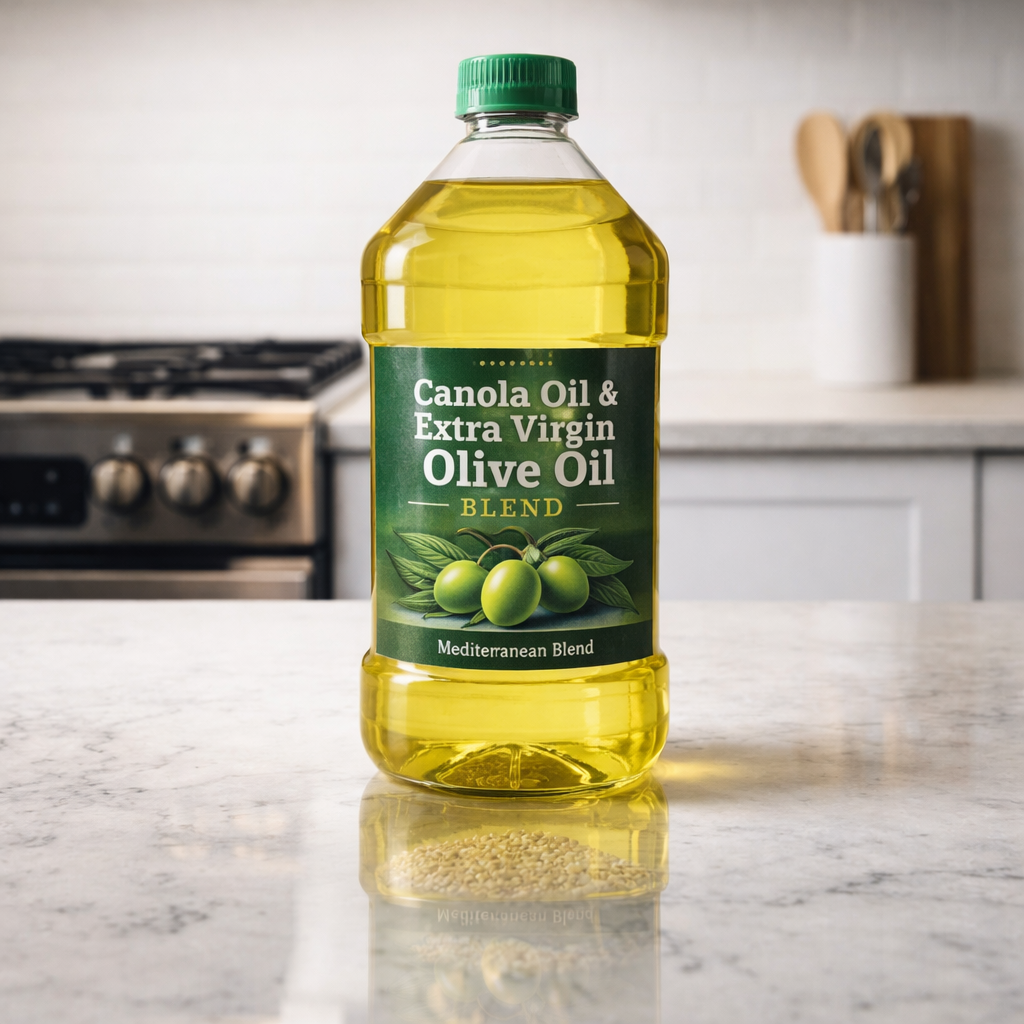
CASE NAME: Naoum v. Smart Foods, LLC
CASE NO. 3:26-cv-01942-CAB-SBC
JURISDICTION: United States District Court for the Southern District of California
FILED ON: March 27, 2026
CLASS DEFINITION: All persons in the United States, and a California subclass, who purchased the Lombardi “Canola Oil & Extra Virgin Olive Oil Blend” product for personal use within the applicable limitations period.
SUMMARY:
According to the complaint, Smart Foods, LLC is facing a proposed class action alleging that it deceptively marketed a cooking oil product labeled as a “Canola Oil & Extra Virgin Olive Oil Blend” despite the product allegedly containing no olive oil at all. The lawsuit claims that independent laboratory testing confirmed the product consists entirely of canola oil, contradicting its labeling, imagery, and marketing representations. Plaintiffs allege that consumers were misled into paying a premium for what they believed was a healthier olive oil blend, resulting in economic harm. The complaint further asserts violations of California labeling laws, false advertising statutes, and common law protections.
ALLEGATIONS:
The lawsuit alleges that Smart Foods manufactures and sells a product under the Lombardi brand labeled “Canola Oil & Extra Virgin Olive Oil Blend,” which is marketed as a Mediterranean-style cooking oil suitable for various culinary uses. The product packaging prominently features references to olive oil and includes imagery of olives, reinforcing the impression that the product contains a meaningful amount of olive oil.
However, according to the complaint, laboratory testing conducted in January 2026 using nuclear magnetic resonance (NMR) spectroscopy revealed that the product contains no detectable olive oil and is composed entirely of canola oil. The lawsuit states that this testing produced a molecular profile identical to pure canola oil and lacked any markers characteristic of olive oil. Plaintiffs allege that this constitutes objective scientific proof that the labeling is false and misleading.
The complaint further alleges that the product violates California Health and Safety Code § 112895(b), which governs labeling requirements for blended oils. Specifically, plaintiffs claim the defendant failed to label the product as “mixed vegetable oil,” failed to disclose accurate proportions of the oils, and misrepresented the presence of olive oil altogether. According to the lawsuit, these alleged violations collectively demonstrate a pattern of deceptive conduct.
Plaintiffs assert that consumers are drawn to olive oil because of its widely recognized health and culinary benefits, and that many are willing to pay a premium for products containing olive oil. The complaint alleges that Smart Foods exploited this consumer preference by marketing the product as a “healthy blend” of canola and olive oil, despite allegedly containing only canola oil.
The named plaintiffs, residents of California and Arizona, claim they purchased the product from retail stores believing it to be a genuine blend of oils. They allege that they relied on the product’s labeling and would not have purchased it, or would have paid less, had they known the true composition. According to the complaint, this resulted in financial harm and deprivation of the benefit of the bargain.
The lawsuit also alleges that Smart Foods’ conduct provided it with an unfair competitive advantage over other products that are accurately labeled. By misrepresenting the contents of the product, the defendant allegedly increased sales and profits while misleading consumers.
On behalf of a nationwide class and a California subclass, plaintiffs bring claims for violations of California consumer protection laws, including false advertising and unfair competition, as well as claims for fraud, breach of implied warranty, and unjust enrichment. The complaint alleges that the defendant knowingly or recklessly misrepresented the product’s composition and continued to sell it despite the alleged inaccuracies.
The plaintiffs seek class certification, restitution, damages, and injunctive relief requiring the defendant to correct its labeling practices. They also request that the court order the defendant to cease marketing the product as an olive oil blend and to comply with applicable labeling laws. Additionally, the complaint seeks disgorgement of profits, attorneys’ fees, and other equitable relief.

Leave a Reply