
CASE NAME: Sue Kim v. Target Corporation
CASE NO.: 2:26-cv-02910
JURISDICTION: United States District Court, Central District of California, Western Division
FILED ON: March 18, 2026
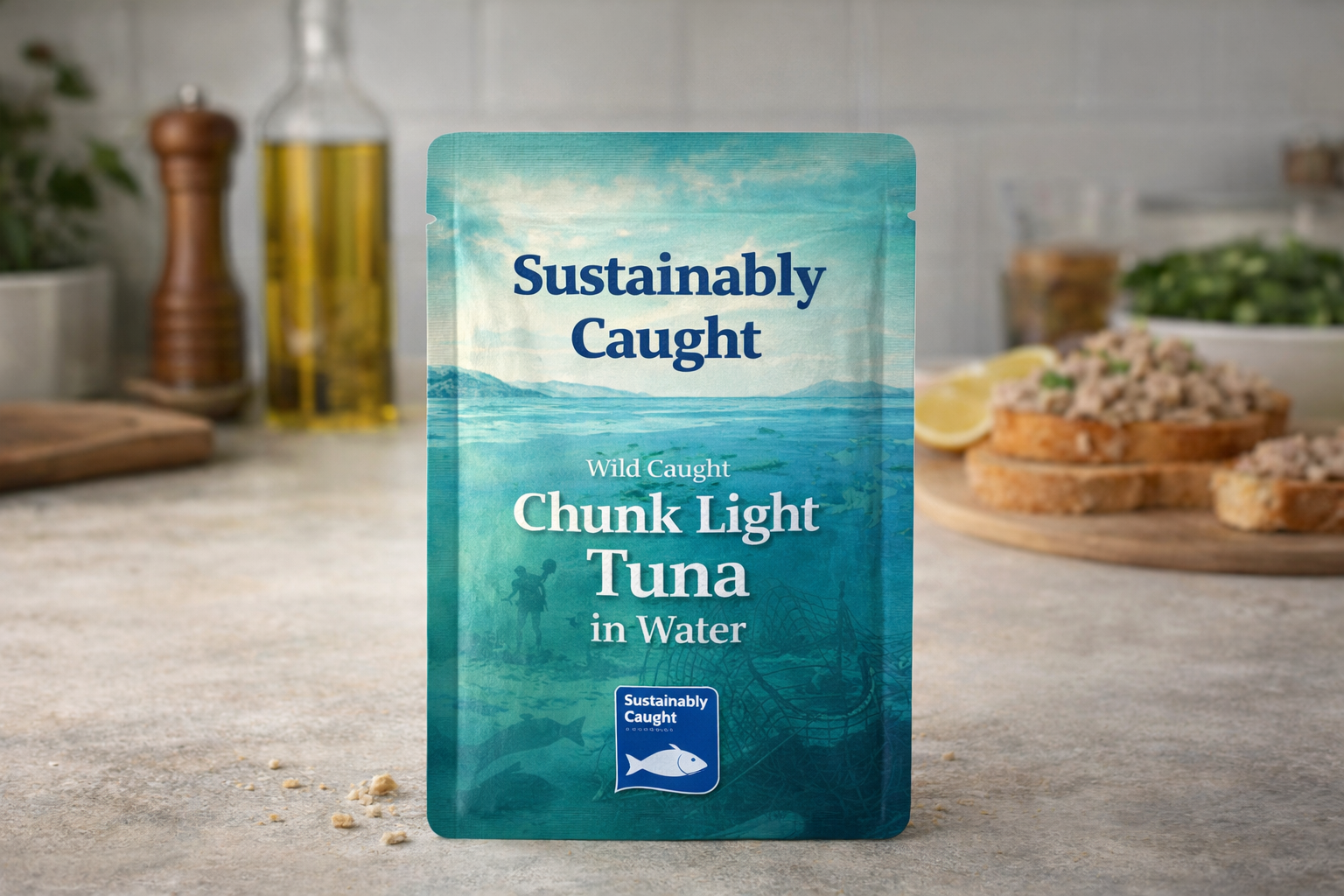
CLASS DEFINITION: All persons in the United States who purchased Target’s Good & Gather tuna products labeled as “sustainably caught” during the applicable limitations period.
SUMMARY:
According to the complaint , Plaintiff Sue Kim alleges that Target Corporation misled consumers by marketing its Good & Gather tuna products as “sustainably caught” when, in reality, the fishing methods used to source the tuna allegedly harm marine ecosystems and wildlife. The lawsuit claims Target engaged in a uniform marketing campaign emphasizing sustainability to attract environmentally conscious consumers and charge a price premium. The complaint further alleges that reasonable consumers relied on these representations and would not have purchased the products, or would have paid less, had they known the truth about the sourcing practices.
ALLEGATIONS:
The lawsuit alleges that Target prominently marketed its tuna products with sustainability claims, including front-label statements such as “Sustainably Caught” and additional representations that the products were “wild caught using sustainable practices to help protect ocean resources.” These claims were allegedly reinforced by references to Target’s broader sustainability commitments and certifications from the Marine Stewardship Council (MSC), including the use of its “blue tick” label.
According to the complaint, these representations are false and misleading because the tuna is sourced using fishing methods that are widely recognized as harmful to marine ecosystems. Specifically, the lawsuit alleges that Target’s suppliers use purse seine nets and longline fishing techniques. These methods allegedly result in significant bycatch, including the capture and injury or death of non-target species such as dolphins, sea turtles, sharks, and whales. The complaint describes these practices as inherently unsustainable and inconsistent with consumers’ understanding of environmentally responsible fishing.
The complaint further alleges that these fishing methods contribute to overfishing and environmental degradation. For example, purse seine nets are described as large-scale nets that encircle entire schools of fish and capture all marine life within them, while longlines involve miles of baited hooks that can indiscriminately trap marine animals. According to the lawsuit, these practices undermine fish populations and damage ocean ecosystems.
In addition, the plaintiff claims that Target’s reliance on MSC certification is misleading. The lawsuit alleges that MSC-certified fisheries may still engage in harmful practices and that the certification does not guarantee sustainable fishing. The complaint also alleges that MSC’s standards are insufficient and that the organization has financial incentives to certify fisheries, potentially compromising its credibility.
The lawsuit further contends that Target failed to ensure adequate traceability and transparency in its supply chain. Although Target allegedly claims to have full traceability of its seafood products, the complaint asserts that monitoring systems are inadequate and that unsustainable practices are not properly reported or disclosed. This alleged lack of oversight, combined with misleading labeling, purportedly prevented consumers from making informed purchasing decisions.
Plaintiff Sue Kim claims she purchased the tuna products in reliance on the sustainability representations and paid a premium price as a result. The complaint alleges that she and other consumers were injured because the products were worth less than represented. The lawsuit asserts that reasonable consumers interpret “sustainably caught” to mean that fishing practices do not harm marine ecosystems and support long-term environmental health.
The complaint also references federal guidance, including the Federal Trade Commission’s Green Guides, which caution against broad and unqualified environmental claims that may mislead consumers. The plaintiff alleges that Target’s sustainability claims fall within this category and convey a false impression that the products have no negative environmental impact.
Ultimately, the lawsuit claims that Target knowingly or negligently misrepresented the sustainability of its tuna products to capitalize on growing consumer demand for environmentally responsible goods. The plaintiff seeks to represent a nationwide class of purchasers and alleges that Target’s conduct resulted in financial harm to consumers who relied on the company’s representations.


Leave a Reply