Himmel v. Nature’s Bakery, LLC, Case No. 1:26-cv-01439
United States District Court for the Eastern District of New York
Filed on: March 12, 2026
SUMMARY OF THE LAWSUIT
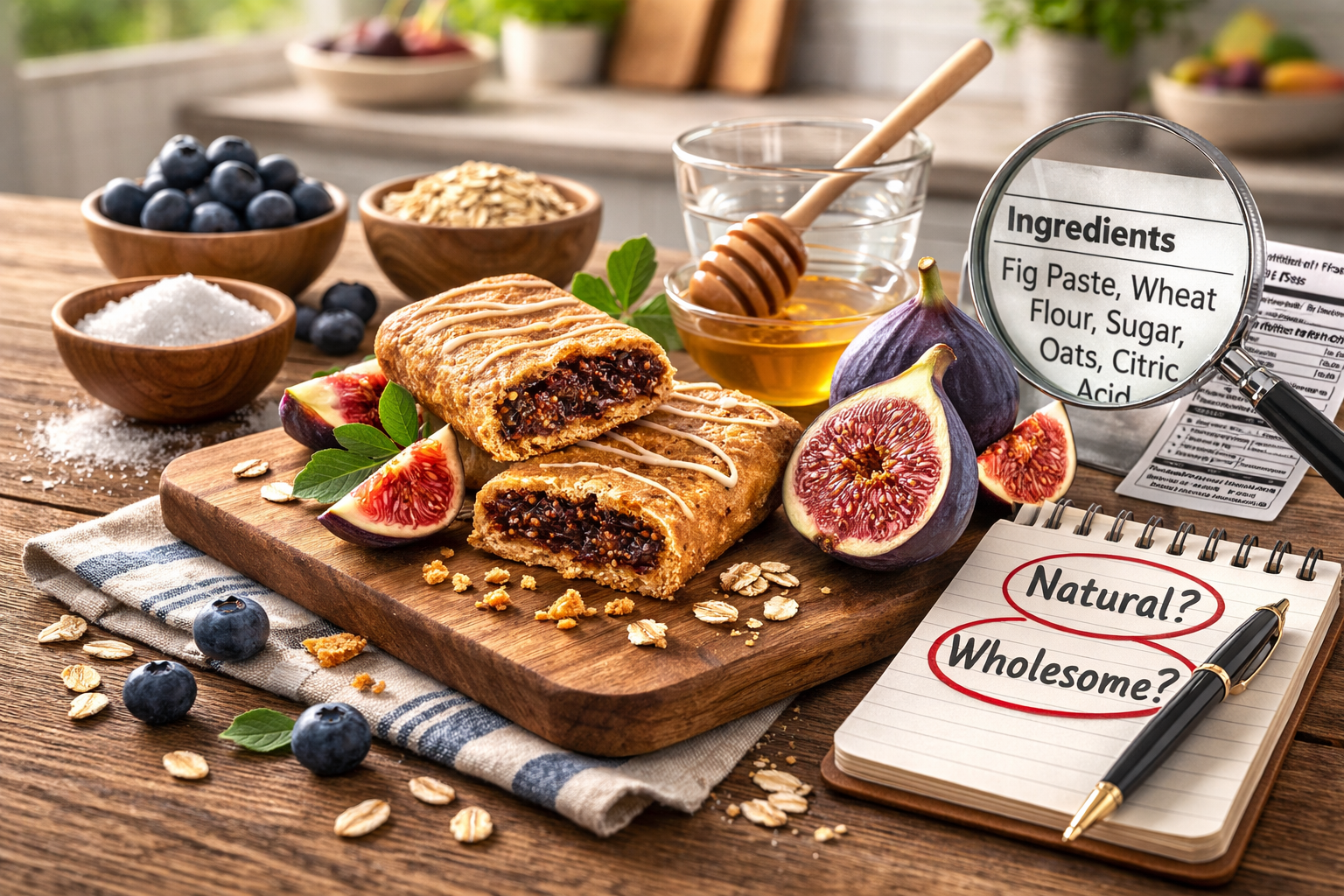
A consumer class action lawsuit filed in federal court in New York alleges that snack manufacturer Nature’s Bakery, LLC misled consumers through the branding and labeling of its fig bar products. The lawsuit claims the company markets the snacks as natural and wholesome even though they allegedly contain synthetic ingredients and high levels of added sugar.
The complaint was filed by plaintiff Lawrence Himmel, a New York consumer who says he purchased Nature’s Bakery Fig Bars believing they were made with natural ingredients and represented a healthier snack option. According to the lawsuit, the brand name “Nature’s Bakery” conveys to consumers that the products contain only natural ingredients and do not include synthetic additives. The complaint alleges that this message is reinforced through marketing statements and packaging that emphasize wholesome baked snacks.
However, the lawsuit claims the fig bars contain synthetic citric acid, an ingredient that the plaintiff argues contradicts the natural message conveyed by the company’s branding. Citric acid is commonly used in packaged foods as both a flavor enhancer and preservative. According to the complaint, the citric acid used in packaged foods is typically produced through industrial fermentation processes involving the mold Aspergillus niger rather than being extracted directly from fruit.
The lawsuit alleges that this manufacturing process involves chemical processing steps that make the ingredient synthetic rather than natural. As a result, the complaint argues that products containing this ingredient cannot accurately be described as natural.
The complaint also references regulatory commentary and past warning letters from federal regulators addressing foods labeled “all natural” that contain citric acid. According to the lawsuit, these regulatory examples demonstrate that foods containing citric acid may not qualify for natural labeling in certain contexts.
In addition to the natural labeling allegations, the lawsuit challenges the company’s use of the term “wholesome.” According to the complaint, Nature’s Bakery promotes its fig bars with marketing language such as “Wholesome Baked In” and suggests the snacks are both wholesome and delicious.
The plaintiff argues that these statements could lead reasonable consumers to believe the products are a healthier snack option. However, the complaint alleges the fig bars contain approximately 14 grams of added sugar per serving, representing roughly 28 percent of the product’s calories.
According to the lawsuit, this amount of added sugar exceeds recommendations in federal dietary guidelines for healthy eating patterns. The complaint argues that labeling the products as wholesome may therefore mislead consumers about the nutritional quality of the snack.
The lawsuit also claims that consumers increasingly rely on marketing terms such as “natural” and “wholesome” when choosing food products. Because consumers often associate these terms with healthier ingredients and fewer additives, the complaint alleges that such representations can allow companies to charge higher prices or attract more buyers.
According to the plaintiff, Nature’s Bakery benefited financially from these representations because consumers purchased the products believing they were natural and healthier alternatives to other snack options.
The lawsuit alleges that the company’s marketing violates New York consumer protection laws that prohibit deceptive business practices and false advertising. The complaint also includes a claim for breach of express warranty, arguing that the company’s labeling statements constitute promises about the nature and quality of the product.
The plaintiff claims consumers suffered economic harm because they either would not have purchased the products or would have paid less for them had they known the alleged truth about the ingredients and sugar content.
The lawsuit seeks damages, restitution, and injunctive relief requiring changes to the company’s labeling practices. It also seeks corrective advertising and other relief on behalf of consumers who purchased the products.
CLASS DEFINITION
The complaint proposes two classes of consumers.
Nationwide Class
All persons in the United States who purchased the products for personal, family, or household consumption during the maximum period permitted by law and not for resale.
New York Subclass
All persons in New York who purchased the products.

Leave a Reply