CASE NAME: Garza v. Positive Beverage, LLC
CASE NO. 8:26-cv-00722
JURISDICTION: United States District Court for the Central District of California
FILED ON: March 25, 2026
CLASS DEFINITION: All persons in the United States and California who purchased Positive Hydration beverages labeled as containing “No Artificial Preservatives” during the applicable class period for personal use.
SUMMARY:
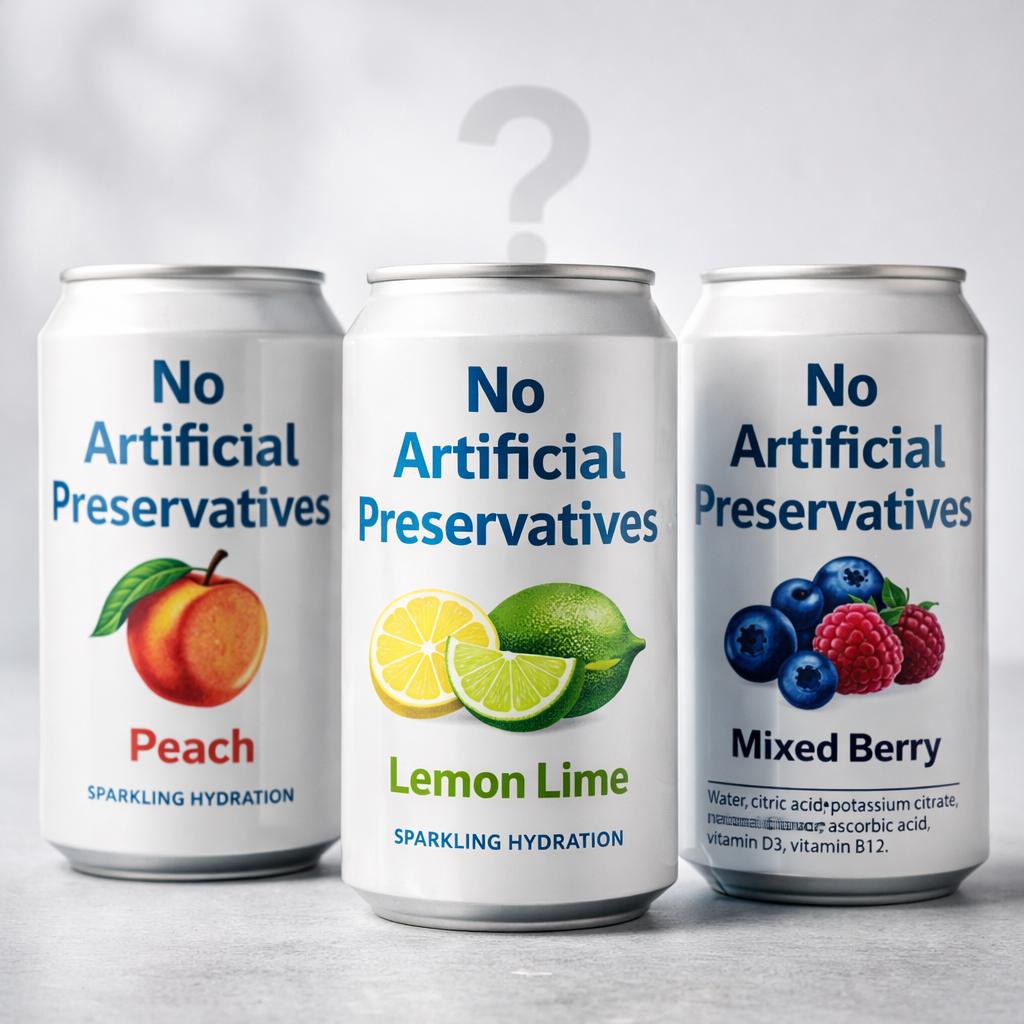
According to the complaint, Positive Beverage, LLC is facing a proposed class action alleging that it falsely markets its Positive Hydration drinks as containing “No Artificial Preservatives” despite including manufactured citric acid, which the lawsuit characterizes as an artificial preservative. The plaintiff claims that this labeling misleads consumers seeking products free from artificial ingredients and violates California consumer protection laws. The lawsuit further alleges that consumers paid a premium for these beverages based on the representation and suffered economic harm as a result.
ALLEGATIONS:
The lawsuit alleges that Positive Beverage markets and sells hydration drinks with prominent front-label claims stating that the products contain “No Sucralose, Aspartame, Artificial Preservatives, or Colors.” According to the complaint, this statement is false because the beverages contain citric acid, which the plaintiff contends is a synthetic ingredient that functions as an artificial preservative.
The complaint explains that while citric acid naturally occurs in fruits, the form used in commercial food and beverage production is typically manufactured through industrial processes. Specifically, the lawsuit alleges that nearly all commercially used citric acid is produced באמצעות fermentation using a type of mold known as Aspergillus niger, followed by chemical processing and solvent extraction. Based on these processes, the plaintiff claims that the citric acid used in the products should be considered artificial rather than natural.
In addition to its alleged artificial nature, the complaint asserts that citric acid serves as a preservative because it helps prevent spoilage and extends shelf life. The lawsuit cites regulatory definitions and industry sources indicating that substances that inhibit deterioration or microbial growth qualify as preservatives. Because citric acid performs this function in the beverages, the plaintiff contends that labeling the products as containing “No Artificial Preservatives” is misleading to reasonable consumers.
The plaintiff further alleges that consumers are increasingly attentive to “free-from” claims, such as the absence of artificial ingredients, and that such claims are material to purchasing decisions. According to the complaint, a significant portion of consumers seek out products labeled as free from preservatives because they associate those products with being healthier or more natural. The lawsuit claims that Positive Beverage capitalized on this consumer preference by prominently displaying the “No Artificial Preservatives” claim to differentiate its products and command a higher price.
The named plaintiff, a California resident, alleges that she purchased Positive Hydration beverages, including flavors such as Peach and Berry Bliss, from a retail store in Los Angeles County. She claims that she relied on the “No Artificial Preservatives” statement when making her purchasing decision. According to the complaint, she would not have purchased the products, or would have paid less for them, had she known they contained an ingredient characterized as an artificial preservative.
The lawsuit brings claims under California’s Consumers Legal Remedies Act and Unfair Competition Law, as well as a claim for breach of express warranty. The plaintiff alleges that the labeling constitutes false and misleading advertising, unlawful business practices, and a breach of promises made to consumers regarding the nature of the products.
As relief, the plaintiff seeks certification of a nationwide and California class, restitution, damages, and injunctive relief requiring the defendant to correct its labeling and cease the alleged deceptive practices. The complaint also seeks attorneys’ fees, costs, and any additional relief deemed appropriate by the court.
Leave a Reply