
CASE NAME: Caley Keene v. Pacha Soap Co.
CASE NO.: 3:26-cv-02520-JCS
JURISDICTION: United States District Court for the Northern District of California
FILED ON: March 23, 2026
CLASS DEFINITION: All persons who purchased Defendant’s personal care products in California during the applicable statute of limitations period.
SUMMARY:
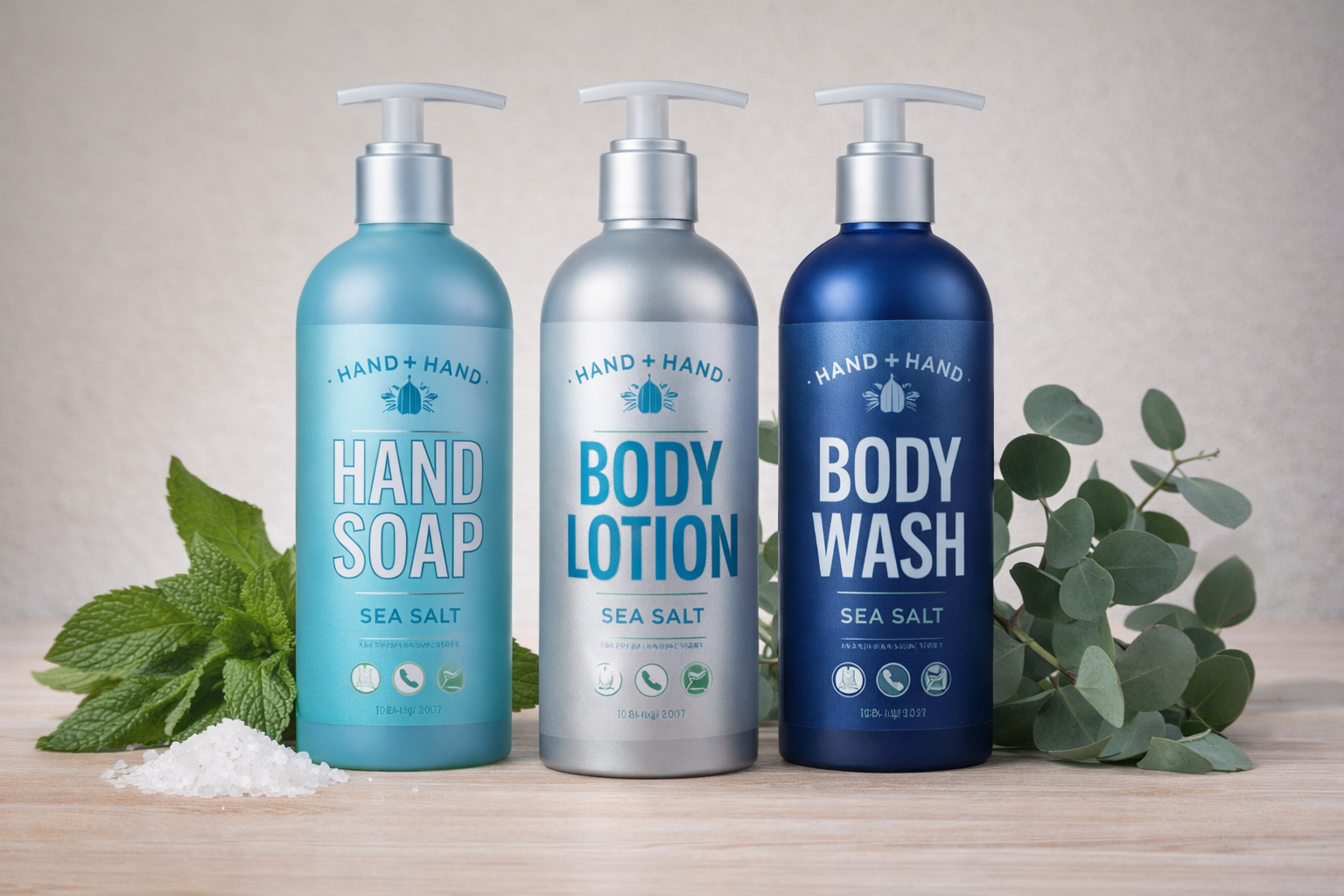
A class action lawsuit has been filed against Pacha Soap Co. alleging that the company falsely marketed its personal care products—including hand soap, body wash, body lotion, and sugar scrubs—as containing sea salt, mint, and eucalyptus. According to the complaint , these ingredients are prominently displayed on product labels and emphasized in marketing materials, leading consumers to believe the products contain these natural components. However, the lawsuit alleges that none of these ingredients are actually present in the formulations. The plaintiff claims that consumers were misled into paying a premium for products based on these representations and would not have purchased them, or would have paid less, had they known the truth.
ALLEGATIONS:
According to the complaint, Pacha Soap Co. engaged in a widespread marketing campaign that highlighted sea salt, mint, and eucalyptus as key ingredients in its products. As shown in product images on pages 3 and 7 of the complaint , these ingredients are prominently featured on the front labels with bold text such as “SEA SALT,” “SWEET MINT,” and “EUCALYPTUS,” along with visual cues like plant imagery and claims of being “naturally derived.” The lawsuit alleges that this packaging is intentionally designed to lead reasonable consumers to believe the products contain these ingredients.
The plaintiff contends that these representations are false. The complaint states that the products do not contain sea salt, mint, or eucalyptus at all. Instead, they allegedly contain synthetic ingredients such as fragrance and phenoxyethanol. The lawsuit further claims that these synthetic components may carry different consumer perceptions and potential risks, making the alleged misrepresentation particularly material to purchasing decisions.
The complaint explains that consumers are drawn to products containing ingredients like sea salt, mint, and eucalyptus due to their perceived skincare benefits. For example, sea salt is associated with hydration and anti-inflammatory properties, eucalyptus is believed to soothe and refresh skin, and mint is valued for its antioxidant and antimicrobial qualities. According to the lawsuit, these perceived benefits increase consumer demand and justify higher prices. By labeling products as containing these ingredients, the defendant allegedly capitalized on consumer preferences while failing to deliver the advertised components.
The plaintiff alleges that she relied on these representations when purchasing the products and paid a premium price as a result. The complaint states that had she known the products did not contain the advertised ingredients, she would not have purchased them or would have paid less. The lawsuit further claims that this conduct caused economic harm to consumers by depriving them of the benefit of their bargain.
Additionally, the complaint alleges that Pacha Soap Co.’s actions violate California consumer protection laws, including the Unfair Competition Law, False Advertising Law, and Consumer Legal Remedies Act. The plaintiff claims the company’s conduct is deceptive, misleading, and unfair, and that it has resulted in unjust enrichment. The lawsuit seeks damages, restitution, injunctive relief to stop the alleged practices, and other equitable remedies.
The plaintiff also seeks to represent a class of similarly situated consumers, asserting that common questions—such as whether the labeling is misleading and whether consumers paid a premium—predominate over individual issues. The complaint alleges that millions of units of the products have been sold, making a class action the most efficient method of resolving the claims.


Leave a Reply