ACTION: Livingston v. Naked Whey, Inc.
JURISDICTION: United States District Court for the Northern District of California
DATE FILED: November 26, 2025
CLASS DEFINITION: All citizens of California who, within four years prior to the filing of the complaint, purchased the defendant’s protein powder products in California and who do not claim personal injury from using the products.
CLASS PERIOD: Four years prior to the filing of the complaint through the present.
SUMMARY:
A consumer class action lawsuit filed in federal court in California alleges that Naked Whey, Inc., doing business as Naked Nutrition, misled consumers by marketing certain vegan protein powders as “naked,” “premium,” and free from additives while allegedly failing to disclose the presence of lead in the products. According to the complaint, the labeling and advertising of the company’s protein powders—including Naked Shake Vegan Protein Powder, Naked Vegan Mass products, and Naked Pea products—suggest that the supplements contain only clean and pure ingredients. The lawsuit alleges that independent laboratory testing and third-party testing reports detected measurable levels of lead in the products, including amounts that allegedly exceed California’s Proposition 65 maximum allowable dose level for reproductive toxicity. The plaintiff claims that reasonable consumers would not have purchased the products, or would not have paid a premium price for them, had they known the products allegedly contained lead. The lawsuit asserts that the labeling practices deprive consumers of the ability to make informed purchasing decisions about plant-based protein powders.
ALLEGATIONS:
According to the complaint, Naked Whey, Inc. markets several vegan protein powders with labeling that prominently features statements such as “NAKED,” “PREMIUM,” and “VEGAN,” along with messaging that the products contain “nothing to hide.” The labels also state that the products contain no artificial sweeteners, flavors, colors, or additives. The lawsuit alleges that these representations lead consumers to believe the products are clean supplements free from potentially harmful ingredients or contaminants.
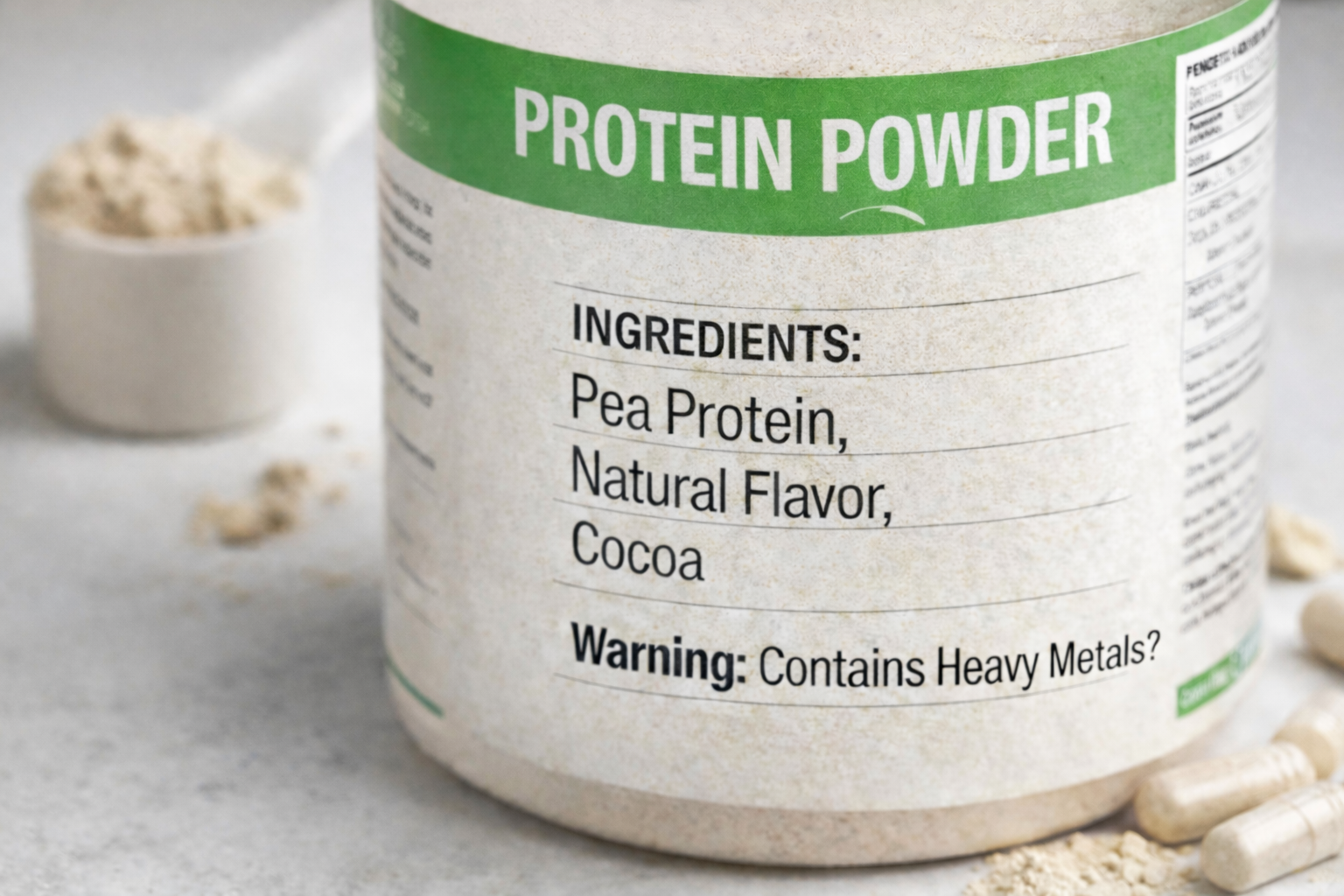
The plaintiff contends that these claims are misleading because the protein powders allegedly contain lead that is not disclosed anywhere on the product labels. According to the complaint, scientific testing commissioned by the plaintiff’s counsel detected approximately 0.84 micrograms of lead per serving in one product, Naked Shake Chocolate Vegan Protein Powder. The complaint states that this amount is nearly double California’s Proposition 65 maximum allowable dose level of 0.5 micrograms of lead per day for reproductive toxicity.
The lawsuit also cites testing reported by Consumer Reports, which allegedly found higher levels of lead in another product, the company’s Vegan Naked Mass Gainer. According to the complaint, Consumer Reports testing detected approximately 7.7 micrograms of lead per serving, which the report characterized as substantially exceeding its recommended threshold for concern.
The complaint alleges that the presence of lead may be related to certain ingredients used in the products, including pea protein and cocoa used in chocolate-flavored varieties. Because these ingredients are common across multiple products in the line, the plaintiff alleges that other varieties may contain similar levels of lead contamination.
The lawsuit further alleges that consumers who purchase plant-based protein powders are often health-conscious and willing to pay a premium for products they believe are pure, clean, and free from harmful substances. According to the complaint, consumers would not purchase these products—or would pay less for them—if they knew the products allegedly contained measurable amounts of lead.
The plaintiff claims that the defendant intentionally used the challenged marketing statements to increase sales while failing to disclose information about lead levels in the products. The complaint alleges that the company’s representations prevented consumers from making informed purchasing decisions and from comparing the products with competing plant-based protein powders that may not contain lead or that disclose potential heavy metal exposure.
Based on these allegations, the lawsuit asserts several causes of action under California law, including violations of the state’s Unfair Competition Law, False Advertising Law, and Consumer Legal Remedies Act. The complaint also includes claims for breach of express warranty and unjust enrichment. The plaintiff seeks damages, restitution, injunctive relief, and other remedies on behalf of the proposed class of California consumers.


Leave a Reply