
CASE NAME: Ramiz Naoum, et al. v. Smart Foods, LLC
CASE NO. 3:26-cv-01942-CAB-SBC
JURISDICTION: United States District Court – Southern District of California
FILED ON: March 27, 2026
CLASS DEFINITION: All persons in the United States who, within the applicable limitations period, purchased the product labeled “Lombardi Canola Oil & Extra Virgin Olive Oil Blend” for personal, household, or consumer use.
SUMMARY:
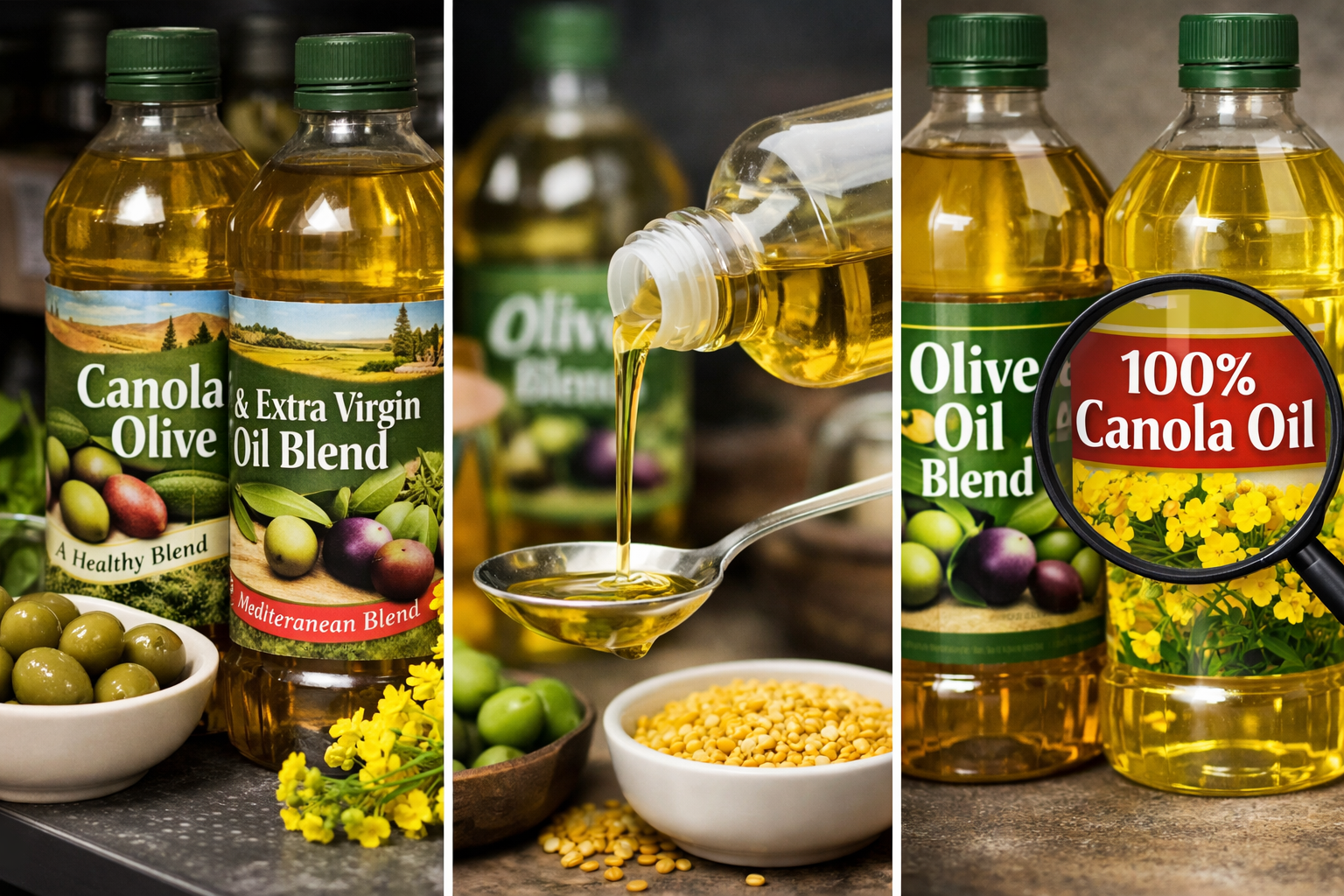
According to the complaint, Smart Foods, LLC allegedly misled consumers by marketing its Lombardi-branded product as a “Canola Oil & Extra Virgin Olive Oil Blend” despite laboratory testing indicating the product contains no detectable olive oil and consists entirely of canola oil. Plaintiffs claim that the labeling, which includes references to olive oil and imagery of olives, led consumers to believe they were purchasing a blended oil product with olive oil benefits. The lawsuit alleges that consumers paid a premium for a product that was not as represented and would not have purchased it had they known its true composition.
ALLEGATIONS:
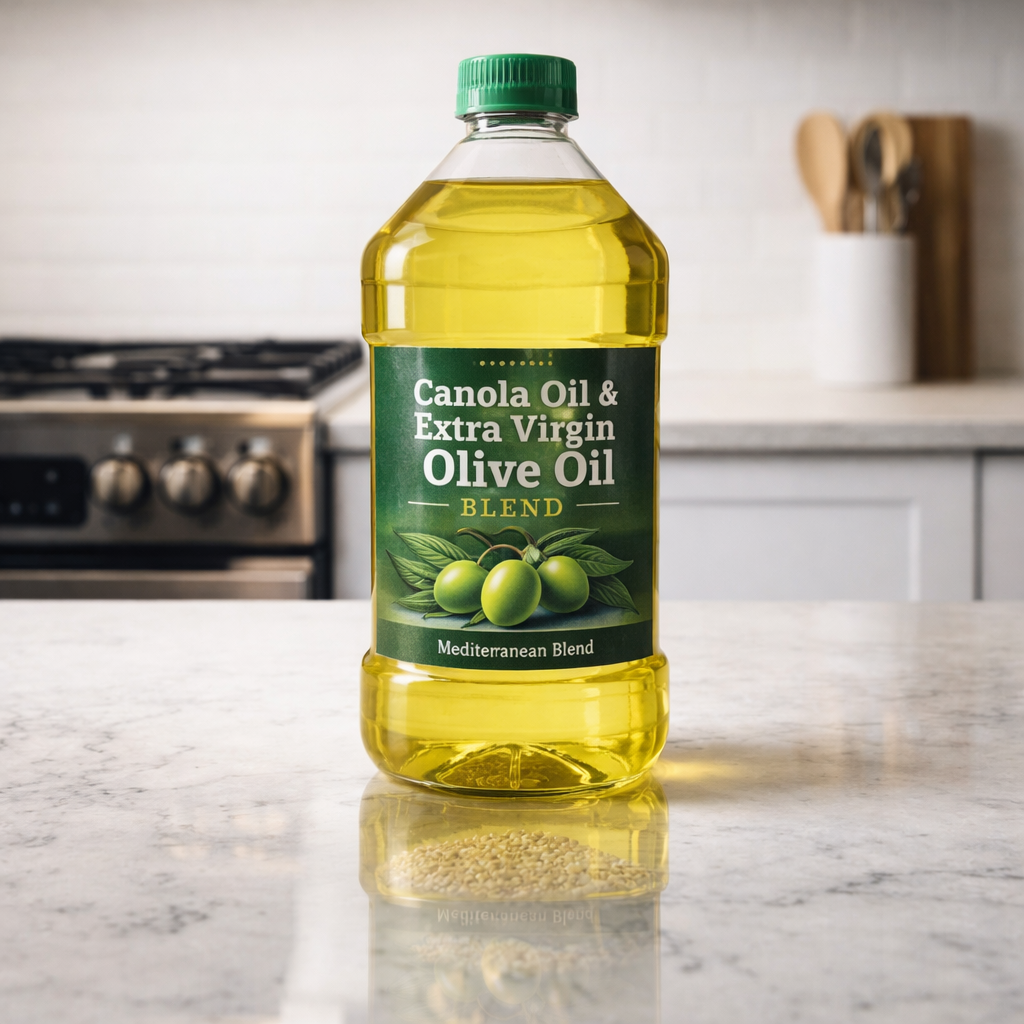
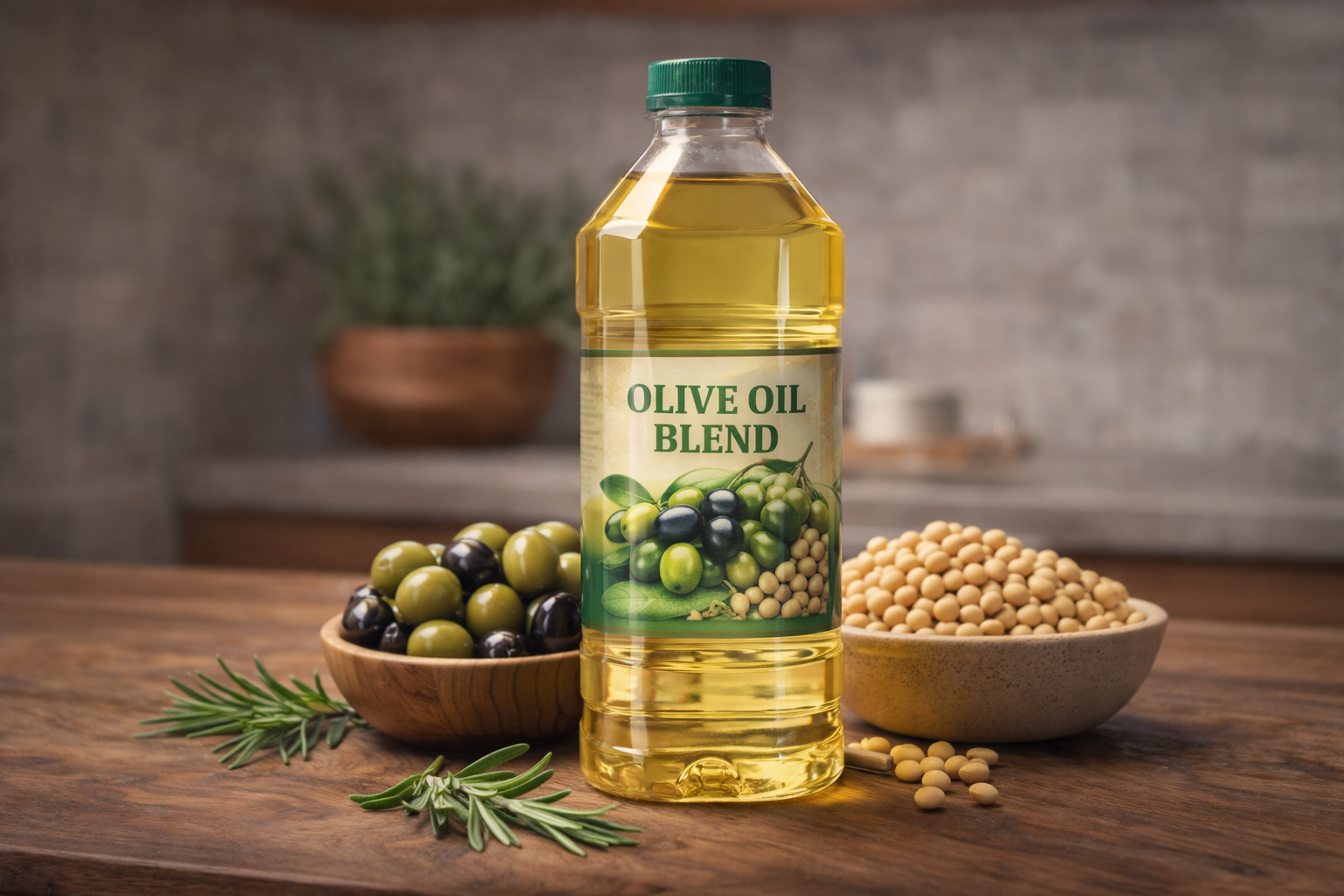
According to the complaint, Defendant Smart Foods, LLC manufactures and sells a cooking oil product labeled “Canola Oil & Extra Virgin Olive Oil Blend” under the Lombardi brand. The lawsuit alleges that the product’s labeling prominently represents it as a blend of canola oil and extra virgin olive oil, including the use of olive imagery and phrases such as “Mediterranean Blend” and “A Healthy Blend of Canola & Olive Oil.”
The complaint asserts that independent laboratory testing conducted in January 2026 using nuclear magnetic resonance (NMR) spectroscopy found that the product contains no detectable olive oil and instead consists entirely of canola oil. Plaintiffs allege that this testing provides scientific confirmation that the product’s labeling is false and misleading.
The lawsuit further claims that the product violates California Health and Safety Code § 112895(b), which requires blended oils to be labeled as “mixed vegetable oil” and to disclose the proportions of each oil. According to the complaint, the product fails to meet these requirements by not using the required labeling, omitting accurate proportions, and allegedly containing no olive oil at all.
Plaintiffs allege that consumers reasonably relied on the product’s labeling and marketing when making purchasing decisions, believing they were buying a product containing olive oil, which is often valued for its perceived health and culinary benefits. The complaint states that plaintiffs purchased the product at retail locations and used it in cooking, only to later learn that it did not contain olive oil as advertised.
The lawsuit asserts that Defendant’s conduct constitutes false advertising, unfair competition, fraud, breach of the implied warranty of merchantability, and unjust enrichment. Plaintiffs claim that consumers suffered economic harm by paying more for a product that did not match its advertised qualities and seek restitution, damages, and injunctive relief to prevent continued alleged mislabeling.
Leave a Reply